The Crook
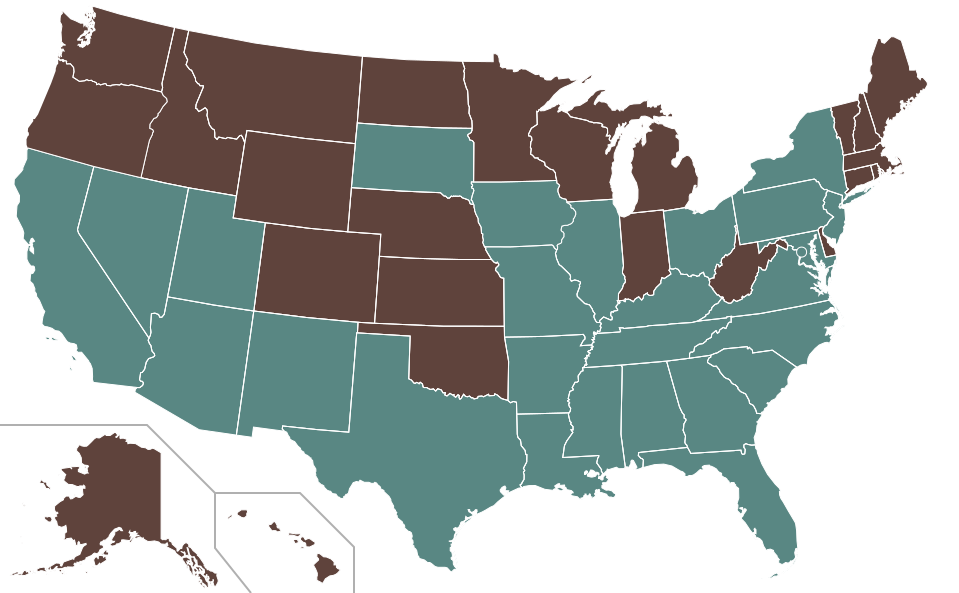
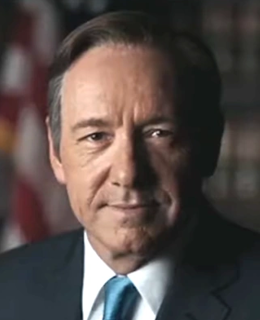
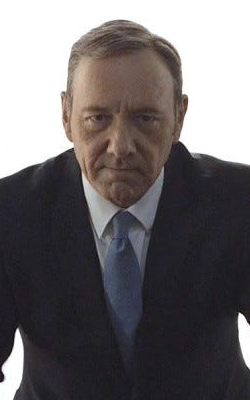
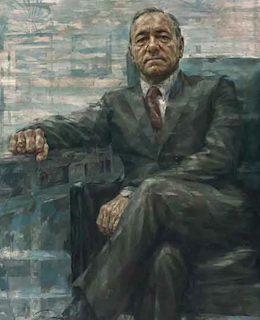
When the final projects arrived shortly after midnight, the result was unmistakable. Frank Underwood, the congressman from South Carolina, had won the presidency of the United States.
The election had been the most unusual and bitterly contested in modern American history. Political institutions strained under the weight of partisan conflict, outsider movements surged across the country, and voters increasingly questioned the legitimacy of the political establishment itself.
Despite this, Underwood moved with deliberate patience.
His campaign had not relied on grand speeches or sweeping ideological promises. Instead it was a campaign built on strategy. Alliances were formed quietly, rivals were neutralized long before they had realized they had become obstacles.
Those who underestimated him often did so only once.
When President Underwood took the oath of office, he spoke the familiar language of unity and national renewal. Yet the real story of his presidency unfolded behind the scenes, where negotiations, favours, and calculated pressure shaped the direction of American policy.
Congress discovered quickly that opposing the new administration carried consequences. Supporters, on the other hand, found themselves rewarded with remarkable access and influence.
In Washington, power rarely changes hands quietly.
For Frank Underwood, power was never the destination.
It was simply the game.
And now he was finally playing it from the highest seat in the country.

Be Mindful Around the Vice President
The Kakania administration had already promised to challenge the conventions of American politics. The selection of Satori Komeiji as vice president ensured that the administration would be remembered as one of the most unusual in the nation's history.
Officially, Vice President Komeiji was described as an advisor with exceptional psychological insight. Her ability to anticipate the motives and intentions of others had made her an invaluable partner during the campaign.
Unofficially, rumors circulated through Washington that her abilities went far beyond ordinary intuition.
Meetings with the vice president quickly gained a reputation for being... uncomfortable.
Lobbyists reported that negotiations which normally took hours seemed to resolve themselves almost instantly. Political operatives found it increasingly difficult to conceal their real objectives during discussions with the administration.
Whether these stories were exaggerations or something more mysterious remained impossible to confirm.
President Kakania rarely addressed the speculation. When pressed by reporters, she simply remarked that effective leadership required understanding people, not just their arguments, but their fears, ambitions and hidden motivations.
Over time, Washington adapted.
Political maneuvering become more cautious. Hidden agendas became harder to conceal.
After all, in a city built on secrets, the possibility that someone might hear the thoughts behind them was enough to make even the most experienced politician nervous.

Empathy in the Oval Office
The Kakania and Hod administration entered office with a promise rarely heard in modern American politics: that empathy could be a guiding principle of governance.
Vice President Hod had earned a reputation long before the election as a deeply compassionate figure, someone who believed that understanding the suffering of others was the foundation of meaningful leadership.
During the campaign, critics dismissed the message as naive. Washington, they argued, was not a place where empathy could survive the harsh realities of political power.
Yet once in office, the administration pursued a strategy built around reconciliation rather than confrontation.
Legislative negotiations frequently included voices from across the political spectrum. Proposals were often framed not as victories over the opposition, but as attempts to address the underlying concerns driving political conflict.
Vice President Hod became one of the most popular figures in the administration. Her speeches emphasized compassion, patience, and the importance of recognizing the humanity behind political disagreement.
Some observers dismissed the approach as overly idealistic.
Others believed it representated something rare in modern governance: a genuine attempt to treat political opponents not as enemies, but as fellow citizens.
Whether the experiment ultimately transformed American politics remained uncertain.
But for a brief moment in history, empathy held a seat in the Oval Office.

"Can An Automated Combat Platform Relate to Normal Americans?"
No vice presidential nomination in American history had generated quite as much bewilderment as the selection of M16A1.
An advanced combat platform, a T-Doll, designed for warfare now stood one heartbeat away from the president of the United States.
The decision stunned both political parties. Late-night television hosts struggled to find the right tone between humour and disbelief, while policy analysts attempted to determine how an artificial military asset might function within civilian government.
Yet during the campaign, something unexpected happened.
Vice President M16A1 approached politics with the same disciplined focus she had once applied to military operations. Public appearances were precise, speeches direct, and policy discussions centered on measurable outcomes rather than ideological rhetoric.
Supporters argued that her perspective represented a refreshing alternative to the theatrics of traditional politics.
Critics remained skeptical. They questioned whether an automated combat platform could truly understand the experiences of ordinary citizens.
The administration itself seemed unbothered by the controversy.
President Kakania often remarked that leadership required clear thinking, loyalty, and a commitment to protecting the people one served.
By those standards, she believed her vice president was more than qualified.
And as the administration settled into power, the American public slowly began to accept a new reality, one where even the most unconventional leaders could find a place in government.

The Psychiatrist
Few political analysts had predicted that Klara "Kakania" Vingler would become the president of the United States.
Her campaign had begun as something of a curiosity. A psychiatrist entering the chaotic arena of American politics seemed, at first glance, an unlikely experiment.
As the campaign unfolded, something unusual began to happen. Voters across the country, many of whom had grown weary of traditional political rhetoric found themselves drawn to Kakania's unusual approach to leadership.
She spoke less about enemies and more about understanding. Less about dominance and more about reflection.
Where other candidates promised to defeat their opponents, Kakania asked why the country had become so divided in the first place.
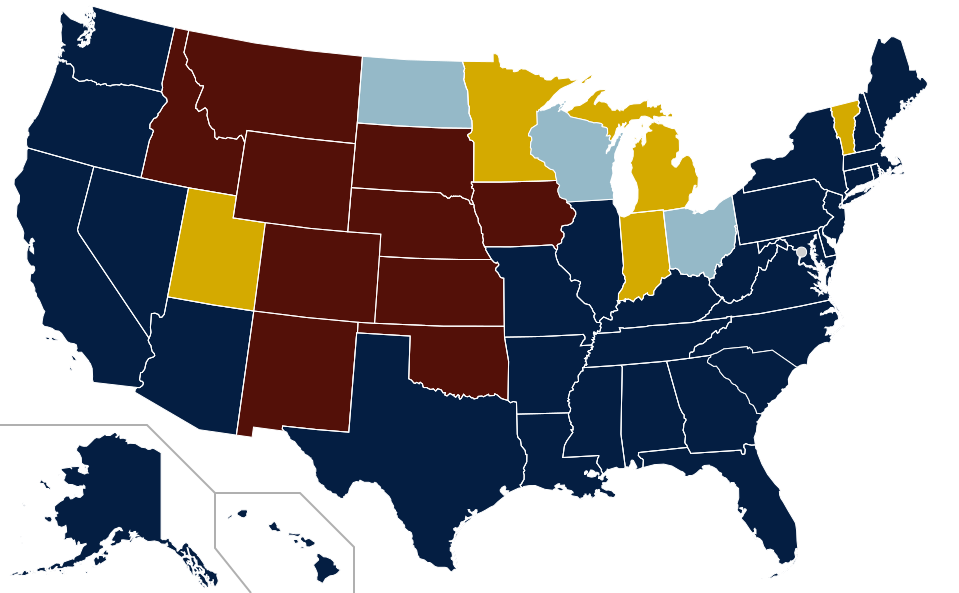
The election night map told the story of a coalition unlike any in recent memory. Urban reformers, disillusioned moderates, and voters who had abandoned traditional parties came together behind the Reform Party banner.
When President Kakania entered the Oval Office for the first time, the atmosphere of her administration reflected her background. Meetings resembled careful discussions of motive and consequences rather than traditional political strategy sessions.
Critics questioned whether such an introspective style could survive in Washington's brutal political environment.
Yet many Americans found themselves intrigued by the idea that leadership might involve more listening than commanding.
History would eventually decide whether the Kakania presidency represented a turning point in American politics or simply a brief moment of reflection in a turbulent era.

Deus ex Machina
The Underwood and Angela presidency quickly developed a reputation for something rare in Washington: efficiency.
Where previous administrations often struggled with bureaucratic inertia and political gridlock, the new government seemed capable of solving problems with remarkable speed.
Much of that efficiency was attributed to Vice President Angela.
Within the administration, Angela gained a reputation for clinical precision. Meetings were short, expectations clear, and delays unacceptable. Proposals that once might have languished for months moved forward with astonishing speed.
President Underwood appeared entirely confortable with the arrangement.
Where he specialized in the art of persuasion, building alliances, neutralizing rivals, and shaping public perception, Angela excelled at transforming strategy into substance.
Together, the two leaders formed an administration that operated with almost mechanical precision.
Political observers began referring to the government as a carefully engineered system, one where every piece served a function in a larger design.
In literature, the phrase deus ex machina refers to a sudden intervention that resolves an otherwise impossible situation.
In Washington, however, the phrase came to mean something slightly different.
Whenever a crisis emerged, the Underwood-Angela administration simply fixed it.

It Happened Here
The election of the Underwood-Kromer ticket marked a dramatic shift in American political life.
Vice President Kromer had built her reputation as an uncompromising ideological figure whose speeches electrified supporters across the country. Her rallies drew enormous crowds, many of whom believed that the nation required sweeping and fundamental change.
President Underwood rarely commented on the ideological energy surrounding his vice president.
Instead, he focused on the mechanics of governance, carefully navigating Congress while ensuring that the administration remained firmly in control of the political agenda.
Over time, however, the influence of Kromer's movement became impossible to ignore.
Its supporters demanded radical reforms to the country's institutions. Political debates grew increasingly intense as competing visions of the nation's future clashed in public discourse.
Historians would later debate whether the Underwood-Kromer presidency represented the beginning of a new political era, or a warning about the fragility of democratic systems.
For many Americans, the question lingered long after the election was over.
How had such a dramatic transformation of the political landscape become possible?
And why had so few people believed it could happen in their own country?
A Boring Administration
In the months following the election, many observers braced themselves for another period of dramatic political conflict.
What they received instead was far less exciting.
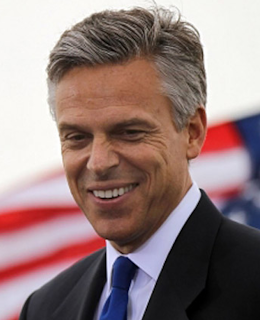
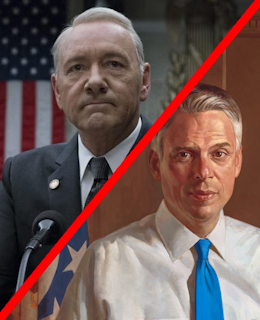
The Underwood-Huntsman administration proved to be surprisingly ordinary.
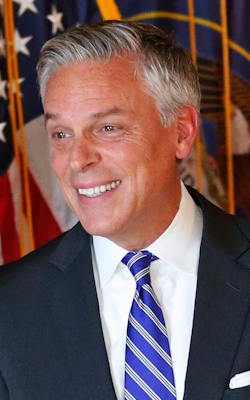
Vice President Huntsman's presence within the government helped shape an atmosphere of moderation and stability. His calm diplomatic style reassured both domestic audiences and foreign leaders that the administration would pursue pragmatic solutions rather than dramatic confrontations.
President Underwood continued to exercise his well-known political instincts behind the scenes, guiding negotiations and shaping the agenda with precision.
Yet the overall tone of the presidency remained remarkably calm.
Major crises were rare. Political battles rarely escalated beyond routine partisan disagreements. The government functioned with steady, almost unpredictable regularity.
For some Americans, the lack of drama was deeply reassuring.
After years of heated rhetoric and political upheaval, the country experienced something it had almost forgotten.
Normal politics.
Historians would later describe the era as one of stability rather than transformation, a period when the machinery of government continued turning without great excitement or catastrophe.
And for many citizens, that was more than enough.